Why is JBL Changing the Sound Profile of Its Flagship Headphones?
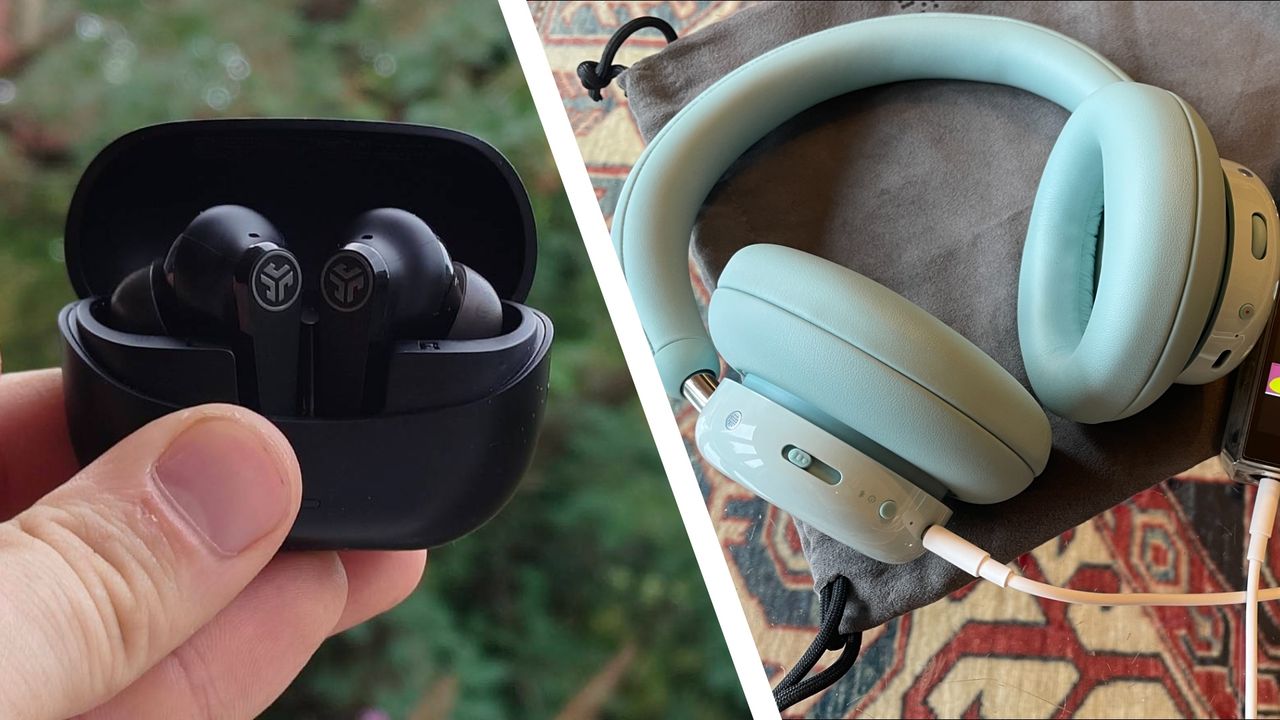
JBL has revised the audio tuning of its flagship Tour One M3 headphones, shifting away from the previously bass-heavy sound signature. This change responds to feedback indicating that more experienced listeners often prefer a more balanced, less bass-dominant audio experience. For users, this means the headphones now aim to deliver clearer mids and highs, enhancing detail and reducing ear fatigue during long listening sessions.
What Are the Real Differences in Sound with the Tour One M3 Update?
The update primarily reduces the prominence of bass frequencies, which were once a defining characteristic of these JBL headphones. This creates a sound that feels more natural and refined. While bass remains present and impactful, it no longer overshadows vocals or instrumentals, making genres like jazz, classical, and acoustic music sound more faithful to the original recordings. Users who value audio accuracy and clarity over heavy bass will notice improved nuance and separation in their music.
Who Will Benefit Most From the Tour One M3’s New Sound Tuning?
This update caters especially to audiophiles and users with seasoned listening habits who have grown tired of exaggerated bass signatures common in consumer headphones. It helps listeners appreciate complex soundscapes and instrumental detail. Meanwhile, casual listeners who enjoy bass-driven music might find the change less thrilling but can still enjoy a versatile sound profile that adapts well across multiple genres.
What Are the Trade-offs and Limitations of This Change?
By dialing back bass emphasis, JBL may risk alienating users who seek deep, pounding bass typical of many modern wireless headphones. The sound is less colored, which could make some bass-heavy content feel less exciting. Additionally, listeners who previously enjoyed the full-bodied warmth may initially find the new sound comparatively leaner. However, this trade-off is a conscious choice to prioritize fidelity and listener comfort.
Takeaway: What This Means for You as a User
If you prioritize clarity, balance, and a more natural ear fatigue-free experience, the updated JBL Tour One M3 headphones provide a meaningful improvement. Their refined tuning makes them strong contenders for users who want versatile performance from bass to treble without overwhelming any frequency range. However, if you are a bass enthusiast, consider whether this subtler approach matches your preferences before upgrading or purchasing. Overall, this evolution in sound design reflects growing sophistication in user preferences and audio trends focused on nuanced listening experiences.