
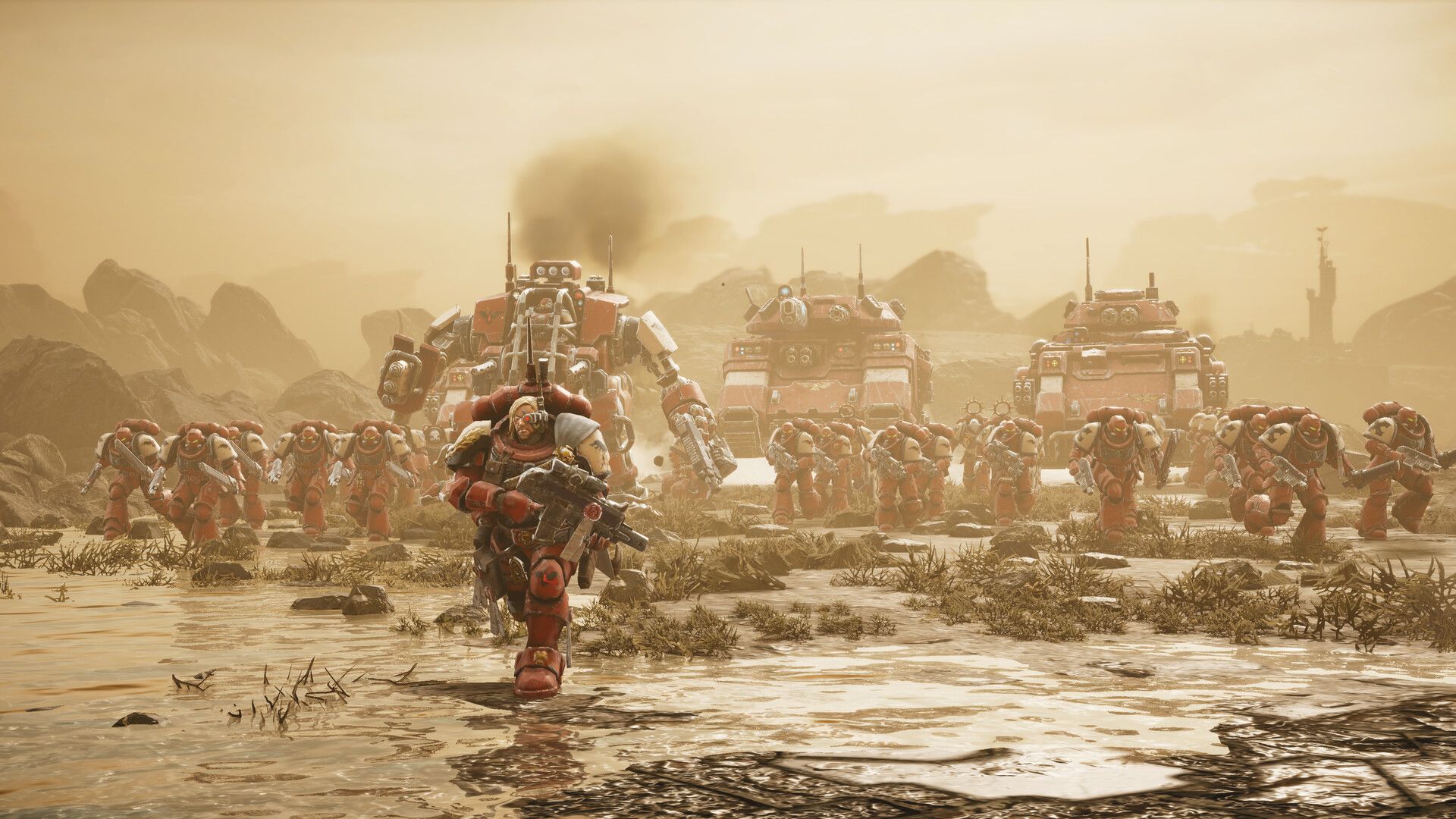

What RTS gameplay elements does Dawn of War 4 bring back from the original?
Dawn of War 4 revisits the classic real-time strategy formula established by its 2004 predecessor, prioritizing longer, larger-scale battles over the faster-paced engagements of later series entries. The development team deliberately designed battles to take more time, allowing players to commit substantial forces and influence outcomes through sustained tactical deployment rather than quick skirmishes. This approach encourages thoughtful resource allocation, where overcommitting to a single fight might win the moment but cost the overall game.
How do on-field reinforcements impact gameplay and strategy?
One distinctive feature revived is the on-field reinforcement system, permitting players to replenish units dynamically during battle. Though initially considered outdated and somewhat disconnected from game lore, this system integrates economic management directly into combat scenarios. Players face meaningful decisions between automating reinforcements—making battles simpler but risking economic strain—or manually micromanaging units to optimize effectiveness at the cost of broader resource control. This dual focus deepens strategic complexity by bridging tactical unit control with overarching resource economy.
Who benefits most from Dawn of War 4's gameplay approach?
Players who appreciate the strategic depth of traditional RTS games, involving base building, resource management, and prolonged engagements, will find Dawn of War 4 appealing. Those who enjoy toggling between macro-level economic decisions and micro-level unit control can tailor their playstyle, either automating certain aspects for convenience or optimizing battles through active management. However, gamers seeking rapid, highly competitive RTS matches with minimal downtime might find the extended battle durations less suitable.
Key takeaway: What does Dawn of War 4 offer RTS fans on PC?
Dawn of War 4 re-centers RTS gameplay on the slower, more deliberate pacing and tactical richness of the original game, merging resource economy with on-field battle management. This design choice reshapes typical RTS dynamics by demanding players balance commitment between individual fights and the broader war effort, rewarding careful planning and adaptability. By reviving legacy mechanics like on-the-fly reinforcements, it offers a familiar yet fresh strategic experience for players looking for depth over speed in real-time strategy.