- Data indicates that only about 16.3% of iPhone users have upgraded to iOS 26
- This figure is significantly lower compared to previous iOS versions at the same time
- Factors include dissatisfaction with the Liquid Glass interface and reduced urgency to upgrade
Typically, new iOS versions see swift adoption among iPhone users. Unlike Android, where updates can be staggered across devices, all compatible iPhones receive new iOS releases simultaneously, ensuring no one is left waiting.
However, many iPhone users appear hesitant to download iOS 26, as well as subsequent updates like iOS 26.1 and iOS 26.2.
According to data from StatCounter (via MacRumors), as of January 2026, 4.62% of iPhone users were on iOS 26.2, 10.57% on iOS 26.1, and 1.14% on the original iOS 26 release. This totals approximately 16.3% of users on some version of iOS 26.
In contrast, last year around 63% of iPhones were running some version of iOS 18, with 54% on iOS 17 the year before, and about 60% using iOS 16 in January 2023. These figures highlight a stark difference in adoption rates.
While this data isn't official, as StatCounter derives these estimates from web traffic analytics, the significant drop in adoption compared to previous years suggests a reluctance among users to upgrade.
An Undesirable Update
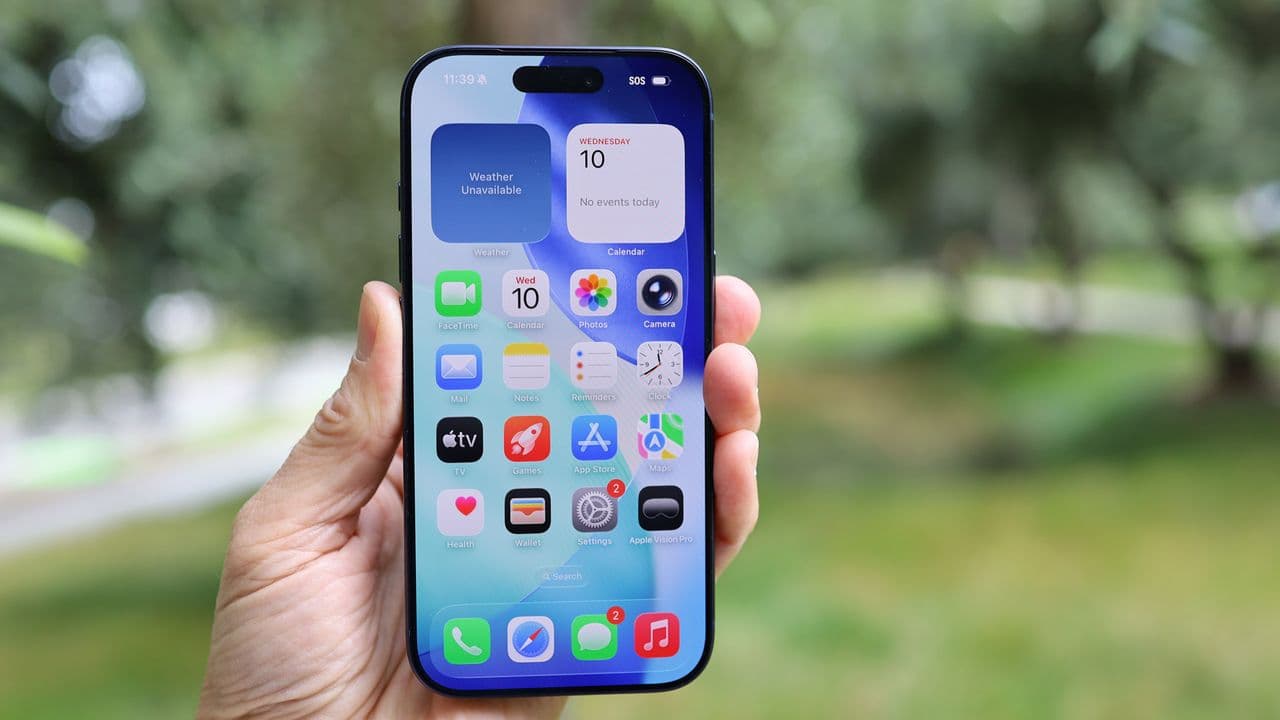
So, what could be causing this trend? There are several potential factors. One reason might be the introduction of a new visual redesign called Liquid Glass, which has received mixed reviews. Many users may prefer to stick with the familiar interface rather than adapt to the new one.
Additionally, some users might be opting to remain on iOS 18 due to less pressure to upgrade this year, as Apple continues to provide security updates for that version.
Finally, the features in iOS 26 may not be compelling enough to entice users to upgrade. While there are new additions like an Apple Games app, an Adaptive Power mode, and enhancements to Apple Intelligence, the overall appeal may be lacking, contributing to the slow adoption rate.
While we anticipate that the percentage of users on some version of iOS 26 will eventually rise, this situation serves as a clear indication that Apple should carefully consider the features included in iOS 27.