- At CES 2026, Nvidia revealed new advancements in its 'ACE' in-game AI technology
- Team Green claims 2026 will be the year we properly see AI-powered guides and teammates in games
- However, it seems like we're still a long way off from this tech being widely implemented
At CES 2026 in Las Vegas, Nvidia had a lot to discuss. The reveal of DLSS 4.5 was the headline news, showcasing new 6X frame generation to enhance framerates to unprecedented levels. Additionally, new display technology and upgrades for the GeForce Now cloud gaming service were introduced, along with a range of AI innovations.
While I admit I skimmed through some of the AI-related announcements during Nvidia's presentation, one segment caught my attention—Nvidia's ACE technology. This framework aims to create fully AI-powered non-player characters (NPCs) in games. Although it has mostly remained theoretical, its few demonstrations have been quite impressive. In fact, it outsmarted me during a tech demo back in 2024.
ACE in the Hole
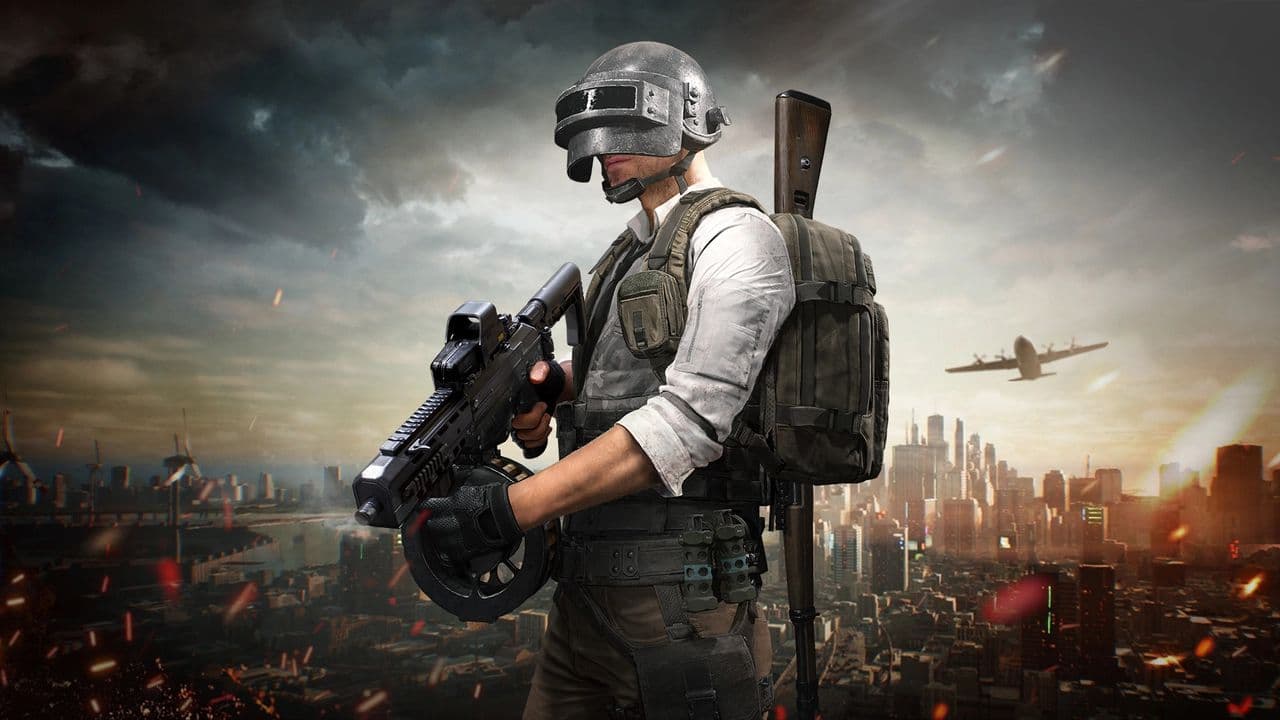
Nvidia is now pushing forward with ambitious plans for ACE. No longer limited to tech demos, the company showcased various applications for ACE at CES, including a player assistant for Total War and fully AI-driven teammates in PlayerUnknown's Battlegrounds. ACE is also being utilized in WeMade's upcoming MIR5 to create a 'learning boss battle' and dynamic interrogations in the murder mystery game Dead Meat.
While the idea of using AI to enhance gameplay is intriguing, I have mixed feelings. On one hand, employing AI like ACE to create more challenging and engaging experiences is promising. However, I am not endorsing MIR5 due to its NFT blockchain elements, which I believe have no place in gaming. Yet, the concept of a boss that learns from player interactions is compelling, even if Alien: Isolation achieved similar mechanics years ago.
On the other hand, some ACE implementations seem contrary to the essence of gaming as an art form. For instance, Dead Meat appears to outsource its dialogue to a chatbot, while Krafton's 'Co-Player Characters' in PUBG feel like glorified bots, undermining the competitive nature of multiplayer gaming.
With Great Power Comes Great Responsibility
While Nvidia created ACE, its actual application depends on individual developers. This is why I feel frustrated with companies like Krafton; the 'Co-Player Character' concept is baffling. If I discover that I was defeated by an AI ally rather than a skilled player, I would be quite upset.
Some may argue that AI can help those without friends to play squad-based games like PUBG, but I believe it's easier than ever to find a gaming community online. When I play multiplayer games, I want to compete against real people.
The ACE advisor for Total War also raises concerns. The demo showcased it providing step-by-step advice, effectively simplifying the game. While Nvidia claims it's a helpful tool for newcomers, this approach diminishes the enjoyment of mastering a game through trial and error.
Hardware Needs
Another issue with ACE is its reliance on specific hardware, particularly Nvidia's RTX 5000-series GPUs. While local AI is generally preferable for security and efficiency, locking gameplay features behind hardware requirements is problematic. Graphics and performance may vary with hardware, but gameplay should not be restricted to newer models. If a game requires a next-gen graphics card for the full experience, I simply won't purchase it.
Ultimately, control lies with developers, which is why I'm not overly concerned about Nvidia ACE's integration into more projects. Nvidia's PR team noted that ACE is just another tool for developers, similar to ray tracing and motion controls. There will still be exceptional gaming experiences created without AI, and there's no guarantee that ACE will gain popularity among developers. Notably, Hollow Knight: Silksong, a game developed by a small team, thrived without modern gaming innovations. While the landscape may evolve, traditional gaming experiences will persist, regardless of the industry's push for AI.