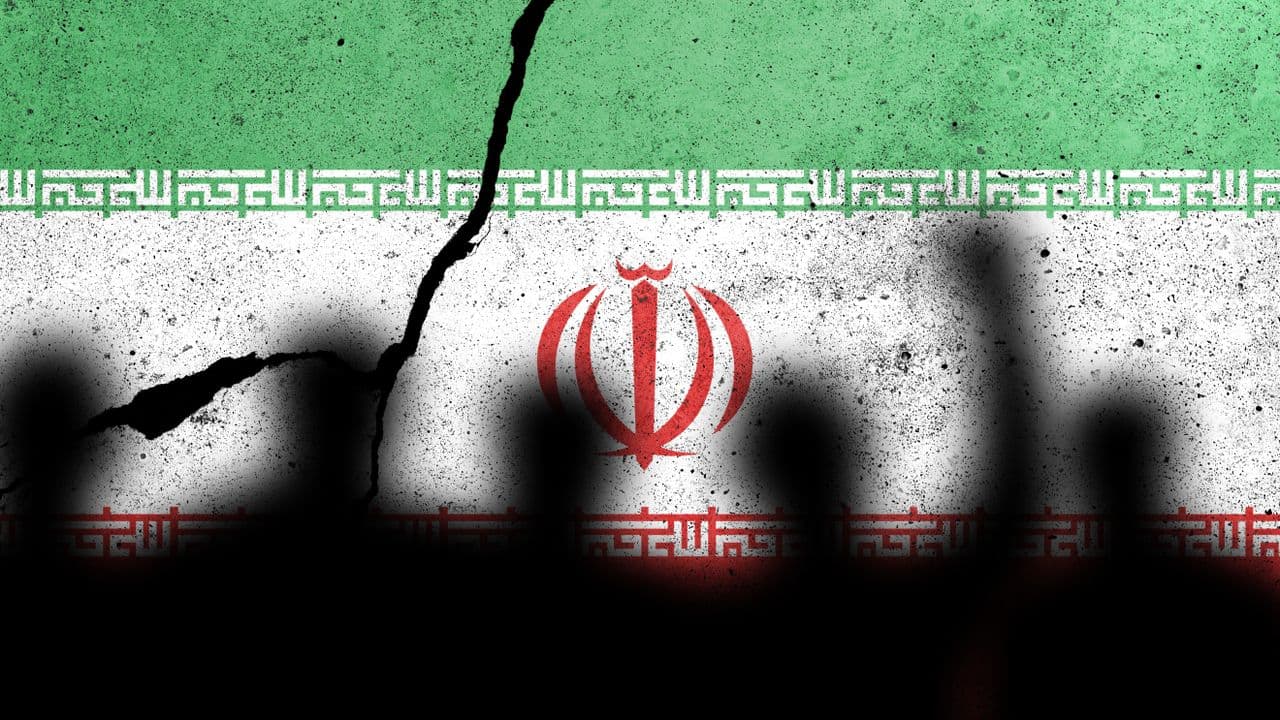
- Iran imposed an internet shutdown on January 8 amid growing protests
- VPNs cannot help people get back online, Starlink also targeted
- Iranians have been protesting the economic crisis since December 28
On January 8, Iran implemented a near-total internet blackout as citizens continued to protest for the twelfth consecutive day. Multiple network monitoring organizations confirmed that the blackout commenced around 6:45 pm UTC (10:15 pm local time).
Cloudflare Radar reported on X that internet traffic in Iran had plummeted to "effectively zero," indicating a complete shutdown.
Before the total blackout, a significant decline in IPv6 traffic was observed. Cloudflare noted that this early drop likely suggested the government was selectively blocking internet access as protests intensified.
The shutdown persists, with NetBlocks data indicating national connectivity is "flatlining at ~1% of ordinary levels."
Amir Rashidi, Director of Internet Security and Digital Rights at the Miaan Group, confirmed that while global access is down, the domestic mobile network, often referred to as the National Information Network, seems to be operational.
Rashidi also reported that international phone calls into the country have been disrupted, stating, "We witnessed this same situation during the war."
Are there any workarounds?
Blocking the internet during political unrest is a common tactic among authoritarian regimes aiming to disrupt communications both internally and externally.
While restricting access to platforms like WhatsApp, Signal, or X severely hampers citizens' ability to communicate, these targeted blocks can often be circumvented using the best VPN apps.
However, a VPN requires an active internet connection to function, making them ineffective during a nationwide internet shutdown.
Proton VPN has reported a significant drop in traffic from Iran since the blackout began.
Iranians have reportedly turned to Starlink connections to regain internet access. Since the SpaceX service relies on satellite infrastructure rather than local cables, it is theoretically resistant to traditional internet restrictions.
However, Rashidi and other sources in Iran indicate that the state is now targeting these connections. Authorities have reportedly degraded Starlink performance by jamming GPS and satellite signals, with data suggesting packet loss has reached 30%.
Rashidi stated, "I have been monitoring and researching access to the internet for the past 20 years, and I have never seen such a thing in my life."
Azam Jangravi, Information Security Analyst at Citizen Lab, confirmed that most citizens remain disconnected from the global internet. "It’s one of the worst shutdowns we’ve seen in years," she said. "This kind of shutdown is devastating. People can’t share what’s happening, can’t reach loved ones, can’t work or study. It’s isolating."
Why is Iran shutting down the internet?
Mass anti-government protests have erupted across multiple cities in Iran since late December, fueled by the country's worsening economic crisis.
These demonstrations appear to be the largest in Iran since the 2022 movement following the death of Mahsa Amini.
France 24 reports that at least 42 people have died so far in the recent crackdown, according to human rights observers.
Jangravi warned that the ongoing internet blackout could obscure further violence, potentially escalating the situation. "The risks are huge," she stated. "Without the internet, there’s no way to document abuses or organize safely. I worry things could escalate. But I also know Iranians are resilient. They always find ways to speak, even in the dark."